Episode Transcript
[00:00:00] Speaker A: Sisters are doing it for themselves.
[00:00:06] Speaker B: There were sisters are doing it for themselves.
We're good.
[00:00:16] Speaker C: You are good. Okay. Thanks, Dana.
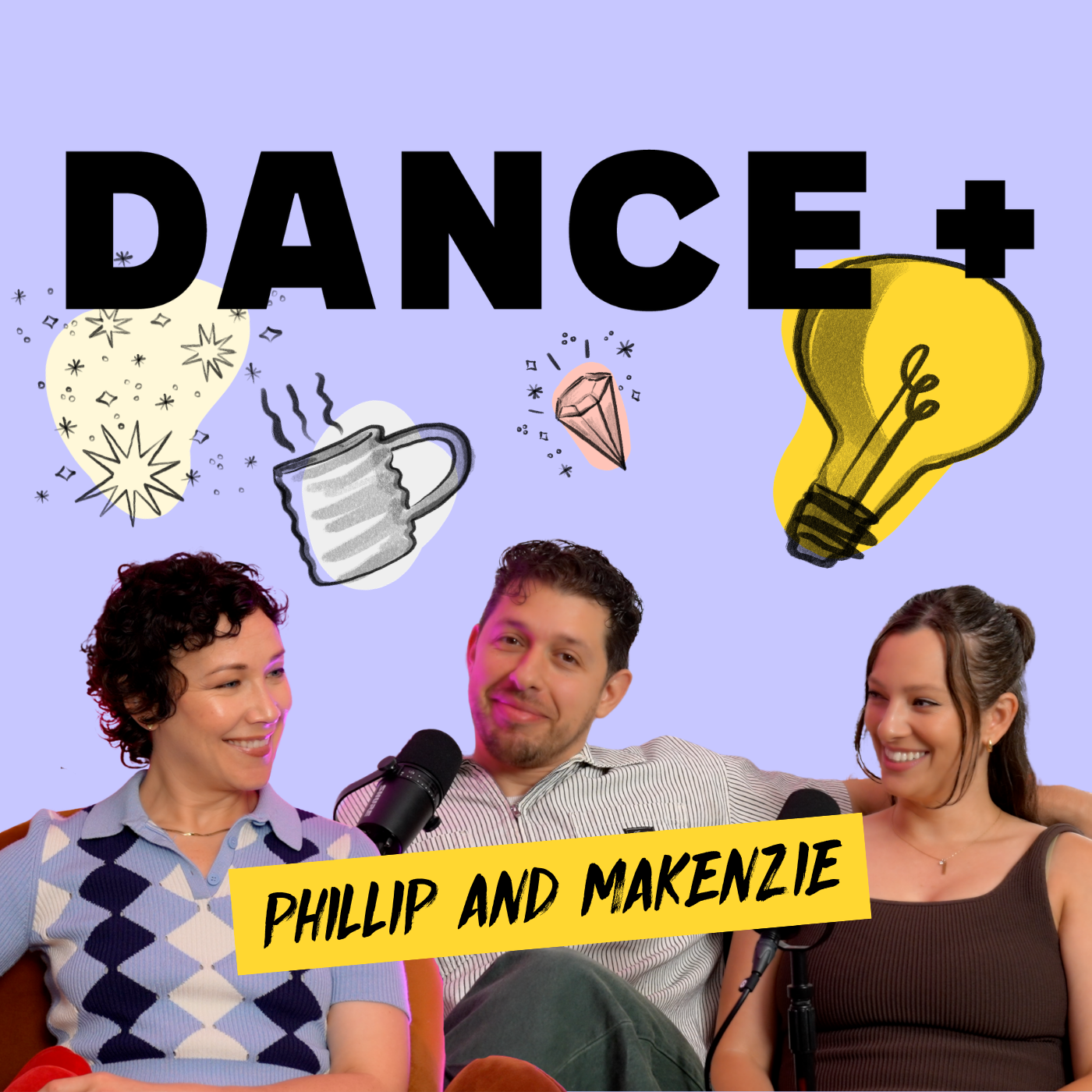
Welcome to the Words of the Movie podcast. I'm Dana. Nope. I'm Emily Wanzarski and I'm excited to be here to talk with you all and interview the Seaweed Sisters about their upcoming show in June. We don't know which I am producing, and it's been an honor so far and we're excited to get into this. But before we do that, we gotta talk about wins. And my win is that I have convinced the Seaweed Sisters to do the show. And we have fought the scheduling nightmare and found the dates to not only be at this podcast, but also at the show. Now what's your win?
[00:01:02] Speaker A: Yay.
[00:01:05] Speaker C: Congrats on your wins. Now let's jump in with the Seaweed Sisters.
[00:01:17] Speaker B: Holy four person podcast episode.
Hi.
[00:01:22] Speaker C: Yay. All right, ladies who lodge.
Ladies, welcome to the Words the Movie podcast Wild.
[00:01:30] Speaker D: Hosted by you.
[00:01:31] Speaker B: Hosted by Emily Wanzerski.
[00:01:33] Speaker C: Hosted by me. That's right. I'm Dana Wilson. And no.
I'm so excited to be here with the three of you. So we're here with the Seaweed Sisters. Yes.
[00:01:43] Speaker B: And I'm so relieved to be a Seaweed Sister and to not be hosting this conversation.
[00:01:49] Speaker C: Oh, fuck.
[00:01:50] Speaker B: Can be hard to do the outside from the inside as we continue to learn and we'll always be learning.
[00:01:57] Speaker C: Wow.
[00:01:58] Speaker B: So take it away, host Emily.
[00:02:00] Speaker C: Okay, great.
We wanted you to each do your names.
[00:02:04] Speaker B: Hi, I'm Dana.
[00:02:05] Speaker C: I'm Blue.
[00:02:07] Speaker A: I'm Megan.
[00:02:09] Speaker D: Pink.
Jelly. Green. Look it. Didn't know where to look. Now I know.
[00:02:14] Speaker B: Yeah. Straight down the barrel.
[00:02:15] Speaker D: I know multiple barrels. Yeah. I was like.
[00:02:19] Speaker C: And I'm Emily.
Black with a pop of color.
[00:02:22] Speaker B: Yes.
[00:02:23] Speaker D: All colors.
[00:02:24] Speaker C: Today I have all three of your
[00:02:25] Speaker A: colors shout out to planned accordingly.
[00:02:28] Speaker C: Really, really representing in preparation for today's discussion, which is so fun because I so rarely get to interview artists for the purpose of talking about projects for joy. Like I am frequently when I get. When I interview artists, I am frequently asking them questions about a project so I can turn it into a grant or a press release or something else. So I so rarely get to riff.
So I am excited to just hang we riffin. But I also am someone who prepares. So I did listen to the last episode, the last and only episode that the Seaweed Sisters have done with Dana to my memory. And I am gonna do a direct quote from you all.
[00:03:06] Speaker B: Pull it.
[00:03:07] Speaker C: So this was published on April 8, 2020, and as we all know, that Was like a specific time and place. Where were we? What did we feel like? Right. I was learning what a pandemic was. Okay.
And Dana posed The question, in 10 years, where do you hope the seaweeds go?
And then there was a pause and a giggle. And then Dana said, that's even harder than where the sisters are now. Which was very sweet because we were at that moment still defining what sisters are, where it's going.
And then another one of you said the Seaweed is a live show. And then carried on to say a short film series, an animated adventure, a travel series, a children's show series came up again. And then also a visit to Sesame Street. So I'm excited to be here because the first idea that came up was live show.
[00:03:52] Speaker B: Yeah.
[00:03:52] Speaker C: And that is what we're here to talk about because the Seaweed Sisters are premiering. We don't know.
We don't know. We don't know.
[00:04:01] Speaker D: We don't know.
[00:04:02] Speaker C: We.
[00:04:02] Speaker B: I hope you're not here to talk about what the show is because we don't know.
[00:04:06] Speaker A: We don't know. Yes.
[00:04:09] Speaker C: So my first question is, how are you feeling? I mean, this is a culmination of years of investigation and mining these ideas that are silly and heartwarming and you end up on, you know, screens and short films, but also these pop up performances all over. Like, how do you feel to have be in this moment where you are focusing on the next big kind of kind like type of project, a live show? How do you feel?
[00:04:37] Speaker B: Should we each answer this? Should we try to give a couple words each?
Overwhelmed.
[00:04:45] Speaker C: Sure.
[00:04:47] Speaker B: Honored.
Relieved.
Like relieved to be doing this, finally, for it to not be out there. Nebulous. It's like we do know what it is actually and we have a team that's helping us make it. And every day we kick the can a little further down the road and it gets more and more real. And so that is a huge relief.
The team is a massive relief. You at the helm of it, it really feels. Yeah, I'm relieved and overwhelmed. Simultaneous.
[00:05:19] Speaker D: How?
[00:05:20] Speaker B: I don't know. You try making a show and you'll know what I'm talking about.
[00:05:24] Speaker C: Okay.
[00:05:25] Speaker A: I'm like words proud is a feeling. So proud of us. We've been talking about it and we are doing it challenged.
I think we're all feeling that as individuals.
Schedule and workload and the many hats and rolls that we're wearing that we haven't worn before.
And hopeful. I'm so hopeful for this to be one of many. Version 1.0 we're calling it.
[00:05:59] Speaker D: Yes.
[00:06:00] Speaker C: Yeah.
[00:06:00] Speaker A: Hopeful and excited and sending that out there.
[00:06:06] Speaker B: Excited, for sure. Yeah.
[00:06:08] Speaker A: At the same time, to get this into the world.
Yeah.
Okay.
[00:06:15] Speaker D: Okay. We said it. But I. Official first word. Yes.
[00:06:20] Speaker C: Nice.
[00:06:21] Speaker A: I really.
[00:06:22] Speaker D: I'm like, I. Yeah, I feel. I just. It's just something I've wanted for us for a long time. I have, like, really wanted longer form and live, you know? So I'm just. Yes.
And then second would be thankful, and I just. I feel supported. And I don't know. I'm like. I don't know when we want to introduce this fact, Emily, but you are our executive producer. Yeah. So when Dana saying thank you. I'm like, a great reason why this happening is happening at all is because of you and your support, and we feel that and have felt that in every step of this process. So thank you. Thank you so very, very.
[00:07:02] Speaker B: You are not just support, Emily. I feel like when I think of support, I imagine, like, the. The strings that hold up a tent, right? Like, those are support, but you are also an engine.
You are the wind beneath our wings. You are a force. You're not just holding things down, but you're pushing them forward.
[00:07:24] Speaker A: We've also named her our dance doula.
[00:07:26] Speaker D: Yes.
[00:07:26] Speaker B: Yes. You are the deliverer of this show.
And we are in labor helping God breathe.
[00:07:36] Speaker D: You can do it.
[00:07:37] Speaker B: We are in labor.
[00:07:39] Speaker D: Where are we at? I don't know. We're still making fingernails at this point.
[00:07:43] Speaker B: Yeah.
[00:07:43] Speaker D: I don't know.
[00:07:44] Speaker C: I mean, that really means a lot because, as you know, to the people that don't know me in the listening world, I spend most of my career behind the scenes, and most of my work, for lack of a better way to say this is invisible. You know, it's. I write a grant that doesn't get funded, and it goes away, but the process of writing that grant helps that artist write the artist statement that gets them the next question. And so I have, like, a lot of my output is invisible, and that's okay, because a lot of my output is process, much like choreography that you try and you toss.
And so thank you for thanking me.
And we. We, myself and our organization is excited to try this, not only because of the quality of work and the type of work you make and the fact that I am a fan and have been. I don't know if the word is bullying you to make this show for the past however many years, maybe it's, like, gently nudging and aggressive sometimes.
So obviously, I'm excited to see the work, but I'm also very interested in the business experiment we're doing. It is an interesting, chaotic time in Los Angeles. Not only dance, but live performance.
And I believe this city and the people that work here deserve a robust option of live shows to go to. And we have some. We have our tent poles, but we need more live shows that are built out of the brains of artists not attached to a funder's goal. Meaning some artists are, you know, you apply to something and you're required to make a work about climate change, which is lovely, but, like, no one is requiring. There's no requirements on this creative. So back to you all. A question on the creative. You know, what has been. You step. You stepped into the room the first couple times earlier in the process, whether it was a room at Effie or at Elements, and you were like, okay, we're gonna make a.
How did you start that? I think so much of our dance community is like, great, there's three of you. Like, can I watch a rehearsal and see how y'. All. Yeah.
[00:09:42] Speaker B: They're like, how does that work?
[00:09:44] Speaker C: So how. How has this creation of a live show been different in the rehearsal room for you all?
[00:09:51] Speaker B: Our process is almost always yes and. And no, but I think we might have talked about that in our first episode. I'm not sure. It's like one of our guiding principles is to yes and each other. And I feel like we have been way broader in the number of spaghetti noodles that we throw at the wall and way more selective of what we're actually keeping. I feel like when we make a film project, we're like, okay, so it's in the desert, right? What could happen there? So it starts with a container.
[00:10:21] Speaker C: Yes.
[00:10:22] Speaker B: And in this version, until several meetings in. When we didn't, we just.
[00:10:29] Speaker D: We.
[00:10:29] Speaker B: We came into it like, okay, what do you want to have in this show? And it was like, definitely, boom, boom, boom, blah. How about you?
[00:10:35] Speaker C: And you were like, okay, well, I
[00:10:36] Speaker B: think it has to have blah, blah, blah, blah. So we started with more of the elements instead of the container, and then we found what the container would be. And now that we know what the container is, we're like, okay, only the best is going to fit in there. Does that work? Does that work? Does that work? Does that sound about right?
[00:10:52] Speaker D: Yeah, I mean, it's many things. So it's like that, all of those. And I just. Duration. So none of our films are longer than 15 minutes. That's really interesting, right? In the sense of, like, what ideas are durational? Like, what is an idea that's interesting for longer than five minutes or one to be revisited 30 minutes later.
[00:11:15] Speaker C: And yes.
[00:11:16] Speaker D: Like how I think that just really changes approach, you know. Whereas like. Yeah. Even though film is so different and how you execute those ideas are going to be wildly different. Like just to have enough of an idea to chew on that will be interesting not only for us but hopefully others for a longer amount of time. I think is really just like changed how we even start making. So it's like to a simple form of. Answer of your question. Like we didn't start with dance steps but we. I think the first week didn't dance at all. So. Because you're just sitting and talking and talking and talking and that's so true. Talking, you know, because yeah, there's. We're three people with a lot of different dreams and ideas and like Dana said, like starting with dreams and then like how do those dreams connect? And then, you know, that takes a lot of conversation.
[00:12:07] Speaker C: Yeah.
[00:12:07] Speaker A: I think about our films and also our short form live works that we've done over the years. Probably more performances than films in the last three years. That's an interesting fact. In theaters.
[00:12:20] Speaker C: Yes.
[00:12:21] Speaker A: Sometimes opening for artists or being a part of other dance shows that are kind of studio.
Studio style theaters.
So in this we, we decided let's go for it. If we're gonna do it, let's be in a theater.
[00:12:38] Speaker C: Yes.
[00:12:38] Speaker A: And have a lighting designer and use sound.
Our voices are very much a part of this show.
[00:12:44] Speaker B: Guys. We're mic'd with those cool theaters.
We're Broadway.
[00:12:49] Speaker D: Watch out, watch out. We're in all the world.
[00:12:52] Speaker A: They leave very intense indentations in our forehead because of the tight swim capsule.
[00:12:57] Speaker C: The post show pictures are going to be.
[00:12:59] Speaker A: Yeah, yeah, yeah, yeah.
[00:13:00] Speaker D: So good.
[00:13:01] Speaker A: But it was important to us to if we're going to do this longer duration, bigger scale fundraising, working with you. And we really were like, okay, we have to plan out not just bite sized performances but what is this 10 course meal. Yes. And that it's like it has to satisfy the palette and have an arc and utilizing the set. And we're doing solos for the first time.
[00:13:33] Speaker C: That part, you heard it correct. Listeners solo exploring the first time feeling what are they going to be?
[00:13:39] Speaker A: You know, we are I think typically known for high energy, funny, joyful, delightful. And we are all of those things. Yes.
Plus, plus. And we also have other feelings as Megan, Dina, Julie and as the Seaweed sisters. One and the same.
[00:13:57] Speaker C: Are they one and the same?
[00:13:58] Speaker D: Kind of.
[00:13:59] Speaker A: Yeah. Yes and no.
[00:14:00] Speaker C: Yes. And no. Yes and no.
[00:14:02] Speaker A: All a different facet, different mode, but really wanting to share. What does a disappointed seaweed look like?
[00:14:12] Speaker B: Or how does seaweeds in conflict. Yeah.
[00:14:14] Speaker A: How does pink, green, and blue deal with feeling Left out?
[00:14:20] Speaker C: Or 3 is an interesting number.
[00:14:23] Speaker B: O. Snappy. Let's.
[00:14:24] Speaker C: Let's jump into that for a second.
[00:14:26] Speaker D: Yeah.
[00:14:27] Speaker A: Three is a crowd.
[00:14:28] Speaker C: Disagreement. You know, I mean, I think one thing I've really learned from you all, especially in this past year, but I've really enjoyed listening to how you speak to each other.
And your. Your language is so specific when you are disagreeing. I've noticed, like, the phrase. I think it was. Meg, when we were in the theater earlier in February, you were talking, and I could tell it wasn't quite. The idea wasn't being heard. And you just said, no, the suggestion is.
And you explained it and then said, but this is what I'm thinking about your suggestion, which was this.
And it was. I was. I was like. I was like, that's why she keeps getting hired by Madonna. This woman can negotiate conflict. But with. And it wasn't even. I say conflict. It was. And it wasn't even that big of a. What you were talking about communication or a. But you navigated a negotiation. Grace and respect that I forget which one of you responded was like, oh, okay. And then, like, off we went, and the problem was solved. Air quotes. And I was like, oh, that was like. Brought a tear to my eye. Beautiful.
[00:15:30] Speaker A: Oh, my gosh. I don't even remember.
[00:15:32] Speaker C: So how do you all.
[00:15:33] Speaker B: It's your way. It's our. It's our water that we swim in. Is respectful and person first versus product first, but with clarity at the heart. And I think we're always speaking in some version of a draft, whether it's our final draft. Like, nobody is out here making declarative sentences like, it's this. I think all three of us love not knowing what it is and knowing that what I'm gonna say is gonna be built upon. So we're speaking in some form of a draft always, but with clarity at the heart of it. And I think when there are three cooks in the kitchen, you do get better at being as clear as you can.
[00:16:13] Speaker C: Yeah. Because also, let's be clear. The three cooks in the kitchen are extremely talented, and most of the ideas are good. So when you're talk. When you're disagreeing, it's like you're talking about an idea with you. You use the word parking lot sometimes. Like, oh, we're going to put that in the parking lot, you know, but you have. I'm curious, like, how are we gonna. All these ideas in the parking lot? Five more shows, you know, But I don't know. It feels very democratic, too.
[00:16:40] Speaker B: And three is easy. Three. Three is helpful for the odd number.
[00:16:43] Speaker C: Is very helpful.
[00:16:45] Speaker B: We have a type. We have tiebreakers all the time. Lucky us.
[00:16:48] Speaker C: Okay, so we talked. You sat for a week and you chatted and you had sticky notes and you had notes and ideas and things on boards and whatever. And then when did you lock in the show premise? And what is the premise of the show?
[00:17:01] Speaker A: I think it was Jilly's idea.
Our bubble.
[00:17:04] Speaker D: Oh, it was really?
[00:17:06] Speaker B: Yeah.
[00:17:06] Speaker A: Oh, I remember we were on the Zoom, and you're like, what if.
[00:17:09] Speaker D: Oh, yeah.
[00:17:11] Speaker A: Because we're always out in the world discovering, like, whoa, this is so interesting. Like, we are experiencing it for the first time. Yes. And so Julie.
[00:17:21] Speaker D: Yeah, I was like, it feels like if we're going to be in this place, it's a chance for people to come into our space because, yeah, weeds are always popping up in the world, but now you get to come into our. One of our worlds, one of our spaces. Which I'm like, did Dana deem it.
You called it a bubble.
[00:17:38] Speaker B: Yeah, we were having sushi one day.
[00:17:39] Speaker C: Yeah, sure. Yeah, sure. On brand.
[00:17:41] Speaker B: Because we were trying. We were like, it's not our.
It's not our. We don't want to call it a house. We don't want to call it a flat. It's not a space. It's not an apartment.
It's a bubble. And I don't know what, why, why, or how it came, but I was like, oh, my God, you guys, it's our bubble.
Which it. Which there are several.
[00:18:04] Speaker D: Yeah, I love that implication.
[00:18:06] Speaker B: Have many beautiful, very seaweed qualities. A, they're colorful. B, they are bouncy. C, they're whimsical. Are light and whimsical. And movement is intrinsic.
[00:18:19] Speaker D: It can be in the air or in the water.
[00:18:21] Speaker B: True.
[00:18:21] Speaker D: You know, like couples.
I love that about it, too.
[00:18:24] Speaker C: But.
[00:18:25] Speaker D: Yeah, but I think. Yeah, that just that that was enough of, like, an idea to be excited about. Of, like, oh, since we've already always shown up in your world, what happens in ours for you?
[00:18:36] Speaker A: You know, what does it look like?
[00:18:38] Speaker B: Yes.
[00:18:39] Speaker A: What does it sound like? What does it look like?
[00:18:42] Speaker C: So many opportunities.
[00:18:43] Speaker B: Well, I'll tell you first what it. What it feels like, and then we can talk. Sounds and looks.
All three of us have young people in our lives and not in our homes.
So we are usually the ones appearing, appearing at the fun. And so it's not uncommon for us to show up at, you know, sister's house and nieces or nephews are saying like, hey, do you want to see my room? Do you want to see my bed? Do you want to watch me jump on it? Do you want to see my belly button?
[00:19:15] Speaker C: You want to see what I did at school today?
[00:19:17] Speaker B: Do you want to make up a dance?
[00:19:18] Speaker C: Yeah.
[00:19:19] Speaker B: And so Belly Button decided that we could definitely make a 60 minute show of us doing that.
[00:19:27] Speaker C: Totally.
[00:19:28] Speaker B: So that's why you're here. It feels like you have entered the space of three sisters who are totally activated and excited to invite you into their private world and show you all of the amazing things that they have and can do.
[00:19:43] Speaker A: A magical show and tell.
[00:19:45] Speaker B: A magical show and tell. Talent show, slash slash tour slash cribs
[00:19:54] Speaker D: downtown.
[00:19:55] Speaker B: Yeah.
Anything to add sisters or talk about the look and, and sound of it?
[00:20:02] Speaker A: Well, you know, it's going to be colorful. Yes, yes.
[00:20:06] Speaker C: We've, we've invited some mysterious.
[00:20:09] Speaker B: I think we should say that we've invited some longtime collaborators. Joe Barry is the conductor, orchestrator. Most of the music that you're hearing in the space is Joe Berry creation
[00:20:25] Speaker C: who has also composed many of the films, most recently the Still Got It. Love that. Carry On.
[00:20:32] Speaker B: We also have another reappearing disappearing special guest, Matt Cady, who played the ghost in Night at the Theatre. He plays a very important and special role in this show.
[00:20:43] Speaker C: He does.
[00:20:44] Speaker B: And then for our production design, we have invited a dear friend and phenomenal mover, Kelly Macheta to design our set and several of our prop components. And wow, she is crushing it.
[00:20:56] Speaker C: She's the best.
[00:20:58] Speaker B: The best.
[00:20:58] Speaker A: Yes.
[00:20:59] Speaker B: So looks like you would expect a home maybe three days into a snow day.
Like three days. Like it blizzarded outside.
And we decided to like build forts and turn shit into. Turn things that are into something that are not. And it's like day three. Snow, snow day.
[00:21:22] Speaker C: You know what I'll do to help the crowd, Right? Because we don't, we don't want to tell everybody everything about it. I will read the description of the show we've written.
[00:21:28] Speaker B: Oh my God. The thing we spent eight hours doing yesterday. Yeah, let's use that.
[00:21:32] Speaker C: You know, now that we have the premise of the bubble.
[00:21:34] Speaker D: Yes.
[00:21:34] Speaker C: So here's the thing we don't know invites audiences into the serious, silly, Seriously silly universe of the Seaweed Sisters. Where clouds may rain, feelings and appliances hum with personality.
Their first full length live performance, this celebrated Dance trio welcome you into their whimsical house bubble. Alive with sound blending, crisp choreography and physical comedy and their own expressive language. They navigate sticky situations with precision and play funny, tender and unexpectedly moving. This genre bending dance theater experience is a family friendly show and welcoming all ages.
[00:22:11] Speaker B: It's pretty tight.
It's almost like there were four people working on that for days.
[00:22:16] Speaker D: Thank you for that.
[00:22:18] Speaker C: Soon I'll have it memorized.
[00:22:19] Speaker B: Oh my God, Really?
[00:22:20] Speaker D: I'll be so impressed.
[00:22:23] Speaker C: At least a few sentences. So with that situation, you all have a lot of fans that have seen all your things or most of your things and whatever. So they probably have their own expectations of what they think the show's gonna be.
[00:22:35] Speaker B: Oh, yeah.
[00:22:35] Speaker C: So I'm curious, listeners, fans, now that you've heard the description, I'm curious to hear from you all.
What is one thing audience members may not expect from this work? Or what can they expect if that's easier?
[00:22:49] Speaker B: Don't expect our elder weeds to be in this show.
[00:22:52] Speaker D: Correct. They won't be there.
[00:22:54] Speaker A: That's true.
[00:22:55] Speaker D: The puppets, they're busy.
[00:22:56] Speaker C: They're busy, they're busy.
[00:22:57] Speaker D: They're planting ideas.
[00:23:01] Speaker A: You can expect really great music.
[00:23:03] Speaker C: Yes.
[00:23:03] Speaker A: We have a killer playlist from top to bottom.
Much of it is scored, some of it is alive. There's some covers in there by friends.
So it is a myriad of tones and tunes.
[00:23:19] Speaker B: I also just want to say that the opening song, our first track, like our opening dance, when I heard this song for the first time, I was like, that is the opening number of our show. And I remember playing it for you guys and being like, yo, what, What? What in the world is this?
[00:23:34] Speaker A: And we were like, oh, that's it.
[00:23:36] Speaker B: That's the opening of our show. Never have I felt as confident in a song choice since Le Funky.
[00:23:42] Speaker D: Yeah, I was, I was like, was it the first thing we made? But it's not. But it is. We all agreed that, like, oh yeah, that's how we start. There it is.
Can they expect magic? I think so.
I hope so.
That is also our goal.
Some form, little forms.
[00:23:59] Speaker C: Can they expect seaweeds moving around the space?
[00:24:03] Speaker B: You know it.
[00:24:04] Speaker D: Duh.
[00:24:04] Speaker C: You'd have to.
[00:24:05] Speaker B: You'd have to nail the fan to the floor. I will say, people might not expect to be seated in a fishbowl theater. So we're performing at LA Theater Center.
[00:24:20] Speaker C: Correct.
[00:24:20] Speaker B: In the downstairs theater. If you've ever been to that space, it's remarkable. They have. Several different theaters were downstairs and this. And one of the reasons why we selected this space is because it feels kind of like a fishbowl.
So I. I don't know if people would be expecting the amphitheater feeling in a bubble, but that's, I think, what we're working to create.
[00:24:39] Speaker C: Yep.
[00:24:40] Speaker B: Yep.
[00:24:40] Speaker C: Theater three.
[00:24:41] Speaker D: We'll be there, Bubbles.
[00:24:42] Speaker A: Theater three. One, two, three.
[00:24:44] Speaker D: Cute. Also works out well.
[00:24:46] Speaker B: That's actually why we chose it.
[00:24:47] Speaker C: Yeah, that's right. That's right. Had to do it.
So timeline. Yeah, I thought it'd be fun for people to hear.
Aside from we've been working on this for 10 years. Because you've been working on the characters for 10 years. Plus. Plus. Sorry.
[00:25:03] Speaker D: Okay. 12.
[00:25:04] Speaker C: 12.
[00:25:04] Speaker D: Going on 13. Yeah.
[00:25:06] Speaker C: So we're rounding the bend to 15.
[00:25:08] Speaker B: Whoa. We're common law married. I love.
[00:25:10] Speaker D: We went from 10 to 15 very fast.
[00:25:13] Speaker C: Yes. Yeah.
So I pulled some dates of my timeline to kind of put us all in the spot.
I. I don't remember the first time I saw the Seaweeds, but I think I just said live show almost every time I saw you all after that.
[00:25:25] Speaker B: Correct. Yeah.
[00:25:26] Speaker C: Until we actually kind of became friends, and then we talked about.
[00:25:29] Speaker B: You were complaining very hard for.
[00:25:30] Speaker C: I was campaigning very hard for this role.
Anyways, so our first meeting where I basically said context for our listeners. I run a new nonprofit called the center for Provocative Thought, and our goal is to support individual artists throughout the city of Los Angeles and beyond.
[00:25:46] Speaker D: They do it. More than a goal. They do it.
[00:25:48] Speaker B: Oh, my God, you're doing it.
[00:25:49] Speaker C: We're doing it. We're two years in. We're growing. And, you know, I came to them and was like, we want you to be in residence at our organization and make the show. And the. One of the first questions was, how? What does it cost to get you, meaning the three of you? Because as we and listeners know, you all are all like the Seaweed sisters as a project is inordinately successful, but each one of you also have many, many roles you play and many lanes and jobs that you have.
So I had. I posed the question of, like, what would the amount be that would allow you to say no to things. That. Dinner was December 16, 2024.
[00:26:31] Speaker D: Whoa.
[00:26:33] Speaker C: And then the official email I sent bringing you into residence at effie house was March 5, 2025.
And then working time at Effie started in May.
[00:26:42] Speaker B: June.
[00:26:43] Speaker C: Our first donation came June 3, 2025. So it just as long to fundraise, which we are still actively doing.
[00:26:51] Speaker B: Always learning.
[00:26:52] Speaker C: And then you made the show in December of last year, and we are now in March Yeah, Version one. Version. Still making.
[00:27:00] Speaker A: Yeah, we're still making the show. It's like we have a draft.
[00:27:04] Speaker C: Yeah, that correct. Thank you for that. So that is where we are at in the point of the.
[00:27:08] Speaker B: That's very cool for people to hear. It's cool for me to hear, but I think it's important that people know
[00:27:13] Speaker C: how long it takes time.
And so. And so I'm curious for me, at what point in that timeline did it shift from this is an idea to this is happening?
[00:27:24] Speaker D: I feel like even those days at Effie, because, honestly, in that it takes time. Some of our other performances and even the films really have to culminate quickly. And we do work very well on a tight timeline. And so I think we rarely have time or enough time to just sit and talk for days on end. We really have. We have to talk and then we have to move and make because the timeline is so tight. Most. Most often. So that week when we're, you know, still sitting and drawing and writing and then drawing a funny set and then taping things on the floor and not necessarily making material that we perform in two days, like, for me, is when I was like, oh, yeah, this is it.
[00:28:08] Speaker C: This is what we're doing.
Yes.
[00:28:11] Speaker D: Again, just. Yes. You know, I feel like that was when it really was, like, just the investment, you know, and, like, you have already prefaced like that. We had already put a lot of time in, like, or agreeing to do it months before that. But even still, like, to get into the room and hold all those hours together took months. And then we had a week, and that was a very fruitful week. And then we go away and then we come back, like, just the.
The spread of that is such a gift. And what really makes it, I think, also feel different than any other making we've done so far.
[00:28:45] Speaker C: Yeah. Yeah.
[00:28:47] Speaker A: Something to also know is that there is nothing old we are reusing in this show. It is all new, original work.
That is also a different way of making. I think, in the three of our experiences, both with Seaweed, but also out in the world.
[00:29:08] Speaker C: Absolutely.
[00:29:09] Speaker A: Making tour shows for artists or being a part of.
Gilly's been a part of a few company works led by others. And those.
Those shows are collaborations, but there's already some material to work with or a single that has a music video. And now you're like, oh, this is part of our theme. So now we're building the show around this music.
[00:29:33] Speaker C: Yes.
[00:29:34] Speaker A: If it's for an artist. And we. We don't have any of those guidelines or limitations. So it's.
The opportunities are endless, which is overwhelming. Yes. Is also yes.
And where do we start? And that was where we started. And it was cool to just go, okay, is that working? Do we like this?
[00:29:55] Speaker C: Is this interesting?
[00:29:57] Speaker A: And it's okay. Some of the ideas in the beginning were like, that kind of fell by the wayside and that's okay. Or is this. I don't know if this is good. So go back to the pile and pick something else that we liked. But I agree. That week at Effie of just the.
The ground up. Yeah, we really started with, okay, what do you guys want to do?
And that's where it all starts. So just scale wise, this is the biggest thing we've done with seaweed, but not the biggest thing we've done in
[00:30:28] Speaker C: your careers as choreographers and directors and.
[00:30:31] Speaker A: And performers.
And now we are all three of those things in the same show in
[00:30:38] Speaker B: the same five minutes
[00:30:42] Speaker A: together on equal playing field. Like, there's no hierarchy as well. So, yeah, we're doing such a good job navigating it. I'm really proud of us.
[00:30:51] Speaker B: Yes, yes, yes.
[00:30:53] Speaker C: What about you, Dana?
[00:30:55] Speaker B: I have a couple standout moments, but in general, once we had locked in the team. I know I already shouted out a couple of our returning collaborators, but Mimi Haddon is a wizard and a gift to this art world, and she delivered one of the pieces for our show.
In that day, it got so real for me. This art object that belongs in a museum and in magazines, and we were just dicking around with it in a studio because we don't know exactly what its use is yet. And it was that to have a collaborator like that deliver the thing that's gonna be into the thing.
And our wardrobe designer is also a hero of all of that.
[00:31:45] Speaker A: All three of ours shout out Kathy Cooper. And thank you, Tracy.
[00:31:49] Speaker B: Tracy Phillips, for the connect.
[00:31:50] Speaker A: Come on.
Let it be known.
[00:31:53] Speaker B: And our lighting designer is also extremely capable and talented and fun and good. Camille Roberts. She was so fast, so good at understanding dance.
[00:32:03] Speaker A: Yeah.
[00:32:04] Speaker B: Our production stage manager, Tatum, is really, really. Once all of the department heads were filled in, I was like, oh, yeah, okay. Oh, we're making a show. Oh, and the other moment where I felt like we're making a show. I don't know if you guys felt this too, but our dear friend Taylor James, who might be our fairy godmother, if you're our art doula, then Taylor James, our fairy godmother.
[00:32:28] Speaker C: I love that. Happy to be on the team in great company.
[00:32:30] Speaker B: Who has shot us before, most of the images that you have seen us use as promotion were captured by Taylor James and usually our makeup and always what we're wearing. And he, he's so good. Also a previous podcast guest.
[00:32:44] Speaker C: He's also so funny when.
[00:32:46] Speaker B: So funny.
[00:32:47] Speaker A: Yes, the best.
[00:32:48] Speaker B: When we shot with him in preparation for this show before, we knew what the show was, but we knew that we would need images for the show. So we throw together a lot of looks that will be really fun. Taylor has some great ideas. We shoot, we run out of time.
Long ass day. It's the end of this long ass day and our phones blow up with a few selects from Taylor that he has already edited cuz he gets excited. And that night, I feel like that night he sent us some images from that shoot and I was like, oh, we're making a show like that is going to be big somewhere. Not just as an Instagram image, but like on a billboard or on a show poster in front of LA Theater center. Like that. And I, and I, I texted a few like close friends, a few of those images with the text that's like we're doing it. Seaweed Sisters are making a show. So that that photo shoot also felt really culminating.
[00:33:42] Speaker C: Yeah.
[00:33:43] Speaker A: Cool.
[00:33:44] Speaker C: Speaking of the team.
[00:33:45] Speaker B: Yes.
[00:33:45] Speaker C: I want to bring us all back to last month. We rented the theater for two days and we did what I.
[00:33:52] Speaker B: That was last month already.
[00:33:54] Speaker D: That's crazy.
[00:33:55] Speaker C: Time keeps passing.
[00:33:58] Speaker D: It does not stop.
[00:33:59] Speaker C: It does not stop, Dana. But you know, it's okay.
And our goal there, I mean, it was basically what I would call a tech residency. We rented the space for two days. We brought in the team with a long list of questions from set lighting, you know, sound, and also lobby involvement or not involvement and how we get people in and out. And so I have never been in a position in my career where we have had a budget to do this for a group of artists and have planned a budget that way. And Tech Week always feels like crunch and people are crying and people are mad and shouting and every time I get to Tech week and that happens, I'm like, oh my God, you guys. It's like we're just making a show, you know, And I say that with so much gravitas and respect for our art form, but it's also like chill.
So that's. I was, I was so excited to do this and I wanted to hear from you three, like, how was that experience by having. What was the two day tech residency like?
And what do you think the show like, what is the benefit of doing something like that for a show like this.
[00:35:01] Speaker B: I mean, super shout out Tatum, for blocking us down to the 15 minutes.
[00:35:05] Speaker C: Yeah.
[00:35:05] Speaker B: Our schedule was so tight, and for the most part, we really stuck to it. I think I got home both days after that and was like, that was the smoothest tech I've ever had.
[00:35:15] Speaker D: It was.
[00:35:15] Speaker B: It felt really good to know that some of our big question marks were gonna work.
[00:35:21] Speaker C: Yes.
[00:35:21] Speaker B: We didn't have to scrap anything.
We learned a lot. And that was the function of that time was to learn, like, is what we're dreaming possible?
Because if not, let's find out now so that we can fill that space with something that is possible.
[00:35:35] Speaker D: Yes.
[00:35:36] Speaker B: And we found out that everything is possible, and we did. So, like you said, without tears, without anybody raising a voice.
[00:35:41] Speaker A: Yeah.
[00:35:42] Speaker B: It was a really functional and fun use of time. I wouldn't. Oh, my God, those two days were great.
I. I loved.
[00:35:51] Speaker C: Yeah.
[00:35:52] Speaker A: Gosh. I just think about how lucky we are to use the space at Elements Dance Studio.
[00:35:59] Speaker C: Yes.
[00:35:59] Speaker B: Thank you.
[00:36:00] Speaker D: Yes.
[00:36:00] Speaker A: For all of December and more. More days in there to come. They have an incredible black box style studio with a sprung floor and high ceilings that allowed us to build our set in there and really feel the space and try it as real as it could be in there. And that I just. That brought so much comfort.
[00:36:25] Speaker C: Huge deal.
[00:36:25] Speaker A: Yeah. For set and for travel and just bodies.
And then being able to place that into the theater is another thing. Because some of the seats, you're looking down.
[00:36:37] Speaker D: Right.
[00:36:38] Speaker A: Or you're flat with the stage the way that the.
The house is set up.
So it was really.
[00:36:46] Speaker C: Yeah.
[00:36:46] Speaker A: We just got to see it. So it was nice to get it up and then stand or sit in any seat. Yes.
[00:36:54] Speaker C: Okay.
[00:36:56] Speaker A: And yeah, we want it to be a great experience and viewpoint for any audience member and just making sure ahead of time what's working and what's not. And certain set pieces, we're like, that needs to be twice the size that it is.
[00:37:12] Speaker C: We thought it was really big.
[00:37:13] Speaker A: It needs to be bigger in this space or we need to be louder or these mics aren't working. So.
[00:37:19] Speaker C: Yes. Here we go.
Yeah.
[00:37:23] Speaker A: I think all those logistics is just like, you have to try it. Just testing, testing for peace of mind and smoother transition into our next phase,
[00:37:36] Speaker D: which I think, like, again, what's unique is we're both outside and inside this work. Yes. And so I think what that gave us is we can be more inside on the week of, like, in the normal tech week, because. And our brains could be More there than on the outside, you know, answering all those questions that we did in those two days, you know, because it's like that is what it is to be a director and to be outside of a show is like you're problem solving all the time. All the time, you know, and which we do have mega brains, but like, you know, it's a hard, it's so hard to like, which even I think we're. We've encountered as we created. We are problem solving actively as we're making it. You know, it's like to toggle that like, you know, producer, choreographer, director, performer, brain, like kind of keep switching is like such a unique challenge that we have chosen for ourselves.
But it's tough. And so, you know, I was nervous again, just like talking about budget and like, you know, it. Everything costs so much money, everyone. So just. We all know that. But I think like, we are really encountering that in a new way again, making a longer form work in a different kind of venue than we ever have.
It's like really eye opening. And so like, what is the value of these two days? Because it's not cheap.
And I, you know, I was like, nervous. I'm like, is this like, are we actually going to be doing enough things like in these two days that like really make it worth it? Like, could we squeeze it in in that tech week? And I'm so thankful because, yeah, it really feels like, okay, those questions that were living in my brain are now answered and I don't have to worry about that and I can just worry about like, how can I be a better performer in that moment? Not like, is that the right size? Is the light the right, you know, like, it just frees us to be more of our seaweed selves on stage than like our director maker brains, like present off stage. So thank you again for that suggestion.
[00:39:31] Speaker C: Yeah, yeah. And I think the other thing that was so helpful, like for me as the producer of it was not only, you know, catching all the questions and following along and that kind of thing, but also like getting to know the team there.
[00:39:45] Speaker D: Yes.
[00:39:45] Speaker C: Because like the crew that worked those two days are working the show, you know, and like having a meeting with their marketing team and really thinking like sitting in the lobby and being like, okay, how are we going to activate this? Like, where, how do we want to flow? Where do we want people to go?
[00:39:57] Speaker D: Yeah.
[00:39:58] Speaker C: Okay, I have now parked at the theater twice, so I am going to take a picture of this sign just for that alone, our audience, because, yes, you have Validated parking at the show. It's only $8. We know it's downtown, but it's $8.
[00:40:11] Speaker D: $8.
[00:40:11] Speaker C: You can do it or you can Uber if you want to get rowdy.
[00:40:14] Speaker D: Look at that.
[00:40:15] Speaker C: Then you don't need that, you know, so rowdy, I think. Yeah, I think it was. I wish it's something that could be provided to so many other shows because it did.
And. And also with you three when you were making a film, like you're not building a set. Like the set is the gorgeous hillside in Oregon or wherever you are.
So you all are also all very detail oriented people and have opinions on the set.
[00:40:42] Speaker D: Yeah.
[00:40:42] Speaker C: You know, and the space. And I do think another like talk about growth of the world that we. We are doing here is that piece of it. You know. And the three of you are so used to living in the Seaweeds. But like Kelly hasn't been thinking about the Seaweed sisters bubble for the past 10 years.
[00:40:58] Speaker B: Right.
[00:40:59] Speaker A: But she's also.
[00:40:59] Speaker C: But now she. Now she's really locked in. Yeah, yeah, yeah, yeah. And.
[00:41:02] Speaker D: And a sweet super fan that she's
[00:41:04] Speaker A: deeply familiar cousin for sure.
World. When I watched you in your show, Jilly, I was like, I see the seaweed influence.
[00:41:15] Speaker D: We see the seaweed in you and we love you.
[00:41:19] Speaker C: That's an interesting question.
Let's say we have a listener who is a dance person that knows who you are, seen your films and is inviting a friend. What. What do they say to. And bring them into the fold. We don't know fold other than like
[00:41:32] Speaker B: shut up and get in the car.
[00:41:33] Speaker C: Other. Yes.
[00:41:34] Speaker B: And to that I have explained us in this way a handful of times. I don't know if you sisters would agree. I hope you will agree, but I see us as being the center circle between.
I'm making a Venn diagram for those not viewing the center circle of the Venn diagram between dance and clown, which gets a bad reputation for reasons. But this is not 60 minutes of 8 counts and it is also not Cirque du Soleil non verbal crowd activation. It really is somewhere like smack dab in between. Okay, maybe not smack dab, but it's in there somewhere.
Bouncing around in there.
[00:42:15] Speaker D: Love, theater, play.
Games.
[00:42:19] Speaker B: Games. So many games. Oh my God. You're gonna have games to take home and play at home.
[00:42:23] Speaker D: Yeah.
[00:42:23] Speaker C: Right.
[00:42:24] Speaker A: Also, you will never look at your kitchen appliances the same way.
[00:42:28] Speaker B: Oh, yeah, yeah, yeah.
[00:42:30] Speaker A: After you come and see.
[00:42:32] Speaker D: Yeah.
[00:42:32] Speaker B: If you have a non dance friend and you're trying to convince them to see this show you might lead with, hey, don't you want to reimagine your kitchen?
Get in the car.
You're welcome.
[00:42:44] Speaker C: Let's come on downtown.
[00:42:46] Speaker B: But there is. There is this meme I've seen. It's like, yo, we all need more whimsy. Like, we need more whimsy. This is that, like, you want your daily life to be a little bit more magical and fun.
[00:42:56] Speaker A: Yes, it's this.
[00:42:57] Speaker C: Yes, it is. Yes, it is this. June. The first two weekends of June. Tickets on sale April 10th. Oh, so soon. Wow, wow, wow.
[00:43:06] Speaker D: It's getting realer every day.
[00:43:08] Speaker C: Every day.
All right, shall we rapid fire?
[00:43:12] Speaker B: Before we rapid fire, we have prepared a handful of questions for you, Ms. Emily wants. Because as you've gotten to know us better, we've also gotten to know you better.
It's delightful. I highly recommend getting to know Emily Wanzerski. Like 10 out of 10 would recommend.
So we got to not surprise you, because you did invite us, but all three of us showed up to your stand up.
[00:43:39] Speaker A: You did.
[00:43:40] Speaker C: You do.
[00:43:40] Speaker B: You do stand up comedy. And you're so funny. And my question for you is, as a person who can see things as they are and turn them into something funny, what is the least fun part of this job or the least funny part of this job that you have? And how do you get yourself doing it? Like, how do you show up to the parts of this that don't light you on fire?
[00:44:02] Speaker C: Yes, it's. That's a hard question. That's a hard question because I do really love my job. So on this project, like most of my projects, I think the. The unfun part does eventually become fun. But it is the process of fundraising. And not because I think it's manipulative or not because it's not a valid option or the arts aren't full of value. You know, like, fundraising is the same thing as sales. And so when you are fundraising, you are selling the business of investing. You're selling. Investing in art early, and then you know the money flows later. Whereas if you're just doing sales, it's like, here's my piece of art. Buy it. But it's the same language you use. You're. You are convincing someone. You are wanting someone to come into the fold.
So fun. The. The hard part about fundraising is the late nights, where I look at how much we've raised, which is about half of what we need, and I'm sitting there going through all of the different solutions and challenges we might have to go through if we don't raise the other half right. That part is not fun and uncomfortable and makes me feel like I have failed.
But the fun part is people who have given it like the wind that, like, when we get a donation, the wind that comes underneath my sails, I'm like, people do believe in art and we can do anything. And like, let's go.
Because I know that everyone is juggling investing in lots of really important things. And so timing has to align. Their personal lives have to align. But it's not that I don't believe if people want to invest in dance, it's that connecting the people to the projects they would be most interested in.
LA dance ecosystem and the dance ecosystem at large is challenged by. I don't think it's our work isn't good or people don't want to come. It's where do we go find them to invite more people into the dance world?
So that has been the unfun part. But then, like, incredibly surprising, like, the person who introduced us, Marissa Lebog, gave us a donation that is one of our more sizable ones. And that makes made me cry. You know, shout out to Marissa Lebog.
[00:46:10] Speaker D: Look her up.
[00:46:10] Speaker C: She's amazing.
[00:46:11] Speaker D: Podcast guest. Yep.
[00:46:13] Speaker C: So you get surprised too. And also, I. I learned this from our also mutual friend, Tuggy Barcelo. Like, things. Things work out. And she just walks through life being like, I'm a person that things work out for, and they do. And so I'm trying to do that. So thank you for that. Yeah, love that.
[00:46:33] Speaker A: Okay, next question.
[00:46:35] Speaker C: Okay, I'm ready. I'm ready.
[00:46:37] Speaker A: Getting in your nonprofit. Yes, the center for Provocative Thought, co founded with Jordan and Emily Bromley. Two Emily's, one, Jordan.
[00:46:47] Speaker C: That's right.
[00:46:48] Speaker A: Three besties.
[00:46:49] Speaker C: We are the three besties. Yeah.
[00:46:51] Speaker A: Okay. Where do you want the center to be in five years? How about that?
[00:46:57] Speaker C: Five years. Okay. We have so many ideas on programming and the way this organization could grow.
I will say I would love to see the center for Provocative Thought be a connective tissue, both conceptually as a hub of information, of history, of resources and tools for artists to share, and then also have a network of spaces. We really just see ourselves becoming a web filling in those places where other organizations that have been around for longer, providing resources to artists are at their capacity. I don't want to. We don't want to duplicate anything that's happening. We just want to go into the ecosystem and lift where we can.
And so from bringing it back to this project, I think the big business, big ecosystem question we are asking with the three of you is can LA support three mid career dance artists in making a show that is full length and not being paid for by a client or a film or whatever? Like it is out of your brains. It is your entire idea.
Because in our LA ecosystem, mid career artists get lost. You know, there's awards for early and then it's like you gotta get to legacy, but little support on the way there. And so we are interested in the business question. Can LA support this? Meaning will the people show up up and can we raise the money we need? But this is interesting to us. How do we give this world the space it deserves?
Whoa.
[00:48:34] Speaker B: Yeah. That was awesome.
[00:48:35] Speaker D: Thank you, thank you, thank you.
[00:48:37] Speaker A: We're grateful for you and the work you're doing. It is so important. Yep.
[00:48:41] Speaker B: Thanks deeply.
[00:48:42] Speaker D: Thank you.
[00:48:43] Speaker B: Thanks.
[00:48:44] Speaker C: Thanks.
[00:48:44] Speaker D: I'm like, I don't know if mine is a rapid fire question. Emily.
Okay, don't we need those and we need your monologue for sure. And like when I was thinking about it, you know, I think about even the first moment meeting you, like my impression like walking away was like, wow, this person is a forward force for dance in Los Angeles specifically. And you've mentioned it even in the first, I think thing that you said, like LA deserves more live art dance. And I don't know, where does that come from for you? Like why here? Why do you feel that?
And like I don't know how conscious that is for you, but it like it's something that just, it extends beyond you. And I think anyone that works with you feels that and like the reminder of like not just this project, but even what you just said, like dance in LA at large, performance in LA at large, like the, the system of that. And I, yeah, just, I've never known like why, why your fueled to, to do that and that like again, I feel like you're forward leaning into it. Not like we want to do this,
[00:49:48] Speaker C: you know, I think that's such a fun, that's such a fun question.
[00:49:53] Speaker D: Okay.
[00:49:54] Speaker C: Okay, good.
So I grew up in Atlanta.
[00:49:58] Speaker D: Okay.
[00:49:58] Speaker C: And then for various reasons, I was like, I gotta get out of the Confederacy. And I went to school in Michigan and I was like, it's way too cold here. I'm not going.
I will not like living in New York. And I did go to school for dance and that was the narrative. You moved to New York for dance? And then I would say in. I forget what year. No, I don't. 2019. I started working on a project with the Annenberg foundation and my old Boss at the time. His name is Ben Johnson, who talk about a hero advocate for dance. He has touched so many lives across the country.
But he was curating a History of Dance in Los Angeles exhibition for the Annenberg Space for Photography, which was going to go up there, you guessed it, April 2020.
And that space has since sunsetted in various ways. But for about six months, I was listening on calls with Ben, interviewing people that I either didn't know existed and was, like, kicking myself or had been wanting to hear from for so long and not to hear from them about, like, what's up next, like, their work and what they believe in. Right. And so what I learned through that project, aside from so much of. Aside from, I don't know, so much, is that there is a.
There's a disconnect in the way we teach dance and the way we teach dance history through the lens of New York and through the lens of Europe.
I really got the feeling that LA is the underdog. And I've always loved an underdog story. And I also love an accurate story.
And I think that's something that we've all learned through other social movements like Black Lives Matter and, you know, what's happening now with ICE and all those things, like, the truth we were taught is not the whole truth. And there's so many incredible things that have come out of Los Angeles that people don't know it came out of Los Angeles and. Or don't know why some kind of work comes out of a city like this that is very flat and sprawling versus a city that is very tight and up. And you're making work in square rooms. In la, you're not always making work in a square room. Sometimes you're making it in a soundstage that they purposely turn into rounds, you know, or turn into something else. So I could go on and on. I love this because I also say all of that with deep love and respect for New York City. I lived there for a summer. I love New York.
But I just think that if dance is gonna. If dance is going to remain relevant, we need the whole dance community to get bigger.
[00:52:28] Speaker D: Yes.
[00:52:29] Speaker C: And we also need all of us to get more clear on what is happening in other places. Like the information flow down to what has happened and who artists are, but also, like. Like how to do these jobs well. Right.
How to make a show well in a healthy way with the, you know, all the versions of healthy. So, yeah, that was a really long answer.
[00:52:50] Speaker D: I wanted it. I wanted it.
[00:52:52] Speaker A: You have to spread the word around The.
[00:52:55] Speaker C: Around the town.
[00:52:56] Speaker B: The globe.
[00:52:59] Speaker C: Yes, globe.
Okay, well, rapid fire.
[00:53:04] Speaker D: I have rapid fire questions.
[00:53:05] Speaker C: Let's wrap this up. We could go on for hours.
[00:53:07] Speaker D: Hours. Okay.
[00:53:08] Speaker B: It is hot, you guys.
[00:53:10] Speaker C: All right, well, great, then let's bring it on quick. No overthinking, first thing.
[00:53:13] Speaker B: All right. I don't have to answer these, so I'm not used to it, but I'm ready. Let's go.
[00:53:16] Speaker C: Okay. Rapid fire. The Seaweed Sisters.
[00:53:19] Speaker B: I can't wait.
[00:53:19] Speaker C: Coffee or tea?
[00:53:20] Speaker B: Coffee.
[00:53:21] Speaker A: Coffee. Coffee.
[00:53:22] Speaker C: Ocean or desert?
[00:53:23] Speaker B: Ocean.
[00:53:26] Speaker A: I don't know why I said mountains.
[00:53:29] Speaker D: Forest.
[00:53:30] Speaker C: Fair forest. Sequence of rhinestones.
[00:53:33] Speaker B: Stones.
[00:53:34] Speaker A: Sequins.
[00:53:35] Speaker D: Sequins.
[00:53:36] Speaker C: If the Seaweed sisters went to the Met Gala, would you wear the color wise suits or the sleeping bag dresses?
Rapid fire.
[00:53:43] Speaker A: Color wise. Sorry, Sleeping bags. Wasn't my turn.
[00:53:45] Speaker B: Sleeping bags.
[00:53:47] Speaker D: Color wise. Inflate a suits. Full suitball.
[00:53:50] Speaker C: No, full suits. If the Seaweed sisters were on RuPaul's Drag Race, what lip sync song would you be competing against each other? To your lip syncing Sisters are doing it for themselves.
[00:54:05] Speaker D: We don't know the rest of the words or. I don't.
[00:54:08] Speaker A: Standing on our own two feet. Dancing on our own two feet. Come on.
Okay.
[00:54:14] Speaker C: All right. Sneak peek. One word to describe the show.
[00:54:20] Speaker A: Effervescent.
[00:54:22] Speaker C: Yeah.
[00:54:22] Speaker B: Good.
[00:54:25] Speaker C: Wow.
Also a word. Also a word.
[00:54:31] Speaker B: Balls.
[00:54:33] Speaker C: Love it.
If this show were a weather pattern or event. Tornado, rainbow, what would it be?
[00:54:41] Speaker A: A Chinook.
What? It's a Canadian warm wind from the west.
[00:54:47] Speaker D: Yes.
Called a Chinook.
[00:54:49] Speaker A: We get them a lot in Calgary.
[00:54:51] Speaker B: I love any kind of Canadian words that I love that start with a C. Chalet.
[00:55:00] Speaker A: It's true. They're mostly. That's in Quebec. It's a French thing. Yeah.
[00:55:04] Speaker B: Wait, what was the question?
[00:55:05] Speaker D: Weather pattern.
[00:55:06] Speaker C: If you were. If the show was a weather pattern, what is it? Or weather experience.
[00:55:12] Speaker B: Not a nor', Easter, but a Norweaster.
[00:55:17] Speaker A: I don't know what a nor' Easter is.
[00:55:18] Speaker B: Nor' Easter is. No, I'm from Colorado. I'm on a very intense storm front.
Okay, pull it up.
[00:55:25] Speaker A: Look, we're all. We're all learning a lot about love.
[00:55:28] Speaker C: That's great, Julie. Can you pick a normal one that we all know?
[00:55:30] Speaker D: No, I was like, maybe.
Is there something to like. Thunder, lightning, sun, rainbow.
[00:55:38] Speaker C: That is an experience. That was perfect.
[00:55:40] Speaker D: Okay.
[00:55:40] Speaker C: I love it. Okay, great.
[00:55:41] Speaker A: Sure.
[00:55:42] Speaker C: A move you wish you could watch one of your sisters do forever.
And what sister?
[00:55:48] Speaker B: Okay. Greens, basketball, Football. Solo from Knock Knock. At our Congress piece. I could watch that solo non stop. And Pink. Doing any kind Of Ballina.
[00:55:59] Speaker C: Yeah.
[00:56:00] Speaker D: I was gonna say anything.
[00:56:05] Speaker A: Banquet walks from.
From Dana.
Oh, my gosh. Julie, I'm just, like, seeing this walk with your head.
[00:56:13] Speaker B: I don't know.
[00:56:14] Speaker A: Yeah, like, really sharp, good, joyful head.
[00:56:18] Speaker C: Is it actions?
[00:56:20] Speaker D: Why I have neck problems? Because I really love to.
[00:56:23] Speaker A: To go hard and fast and joyful.
[00:56:25] Speaker C: Yeah.
[00:56:26] Speaker D: Thanks for seeing me in that.
I was also gonna say pink. Any pseudo ballet, like, ballet adjacent, ballet off the rails is really.
[00:56:35] Speaker A: What about.
[00:56:35] Speaker B: Yeah.
[00:56:36] Speaker D: You know, where it's like, we. It's not the ballet we think it is, but ballet is present. Like, what about that Batma photo? Sorry. This is always internal.
[00:56:44] Speaker A: I really do still got it. I have really, like a.
Or an illusion or a. I can still do it.
[00:56:52] Speaker B: The integrity of your supporting leg.
[00:56:55] Speaker C: Oh, my God.
[00:56:56] Speaker D: True and blue. Any sort of sloppy lock.
[00:57:00] Speaker C: Sloppy lock.
[00:57:02] Speaker D: Tight sloppy lock. It's like intentionally sloppy, so it means it has to be tight.
[00:57:07] Speaker C: Exactly. And that probably is hard to do. It is, yes. Very difficult. Okay. Who's the most likely to suggest we add another eight counts to, like, a set? It's like, oh, let's toss in. Let's toss in a letter. Another Diddy.
[00:57:23] Speaker B: Julie McDonald.
[00:57:24] Speaker A: Oh, my gosh.
More dance, please.
[00:57:28] Speaker B: Our agent.
[00:57:29] Speaker A: I mean, Julie's Jilly. It just comes to mind.
It Only it's not more.
She was just like, we need an impressive eight count here. Which she said it one time, and it just.
[00:57:43] Speaker C: Just.
[00:57:43] Speaker A: We burst into laughter.
[00:57:44] Speaker B: We're like, oh.
[00:57:45] Speaker A: Because it really felt like it undermined the rest of what we were doing. And we're like, what is impressive? Is it faster, more intricate?
It's not gonna be athletic because strength is not our strength.
But yeah, adding a dance eight count again. We're pretty. We're pretty on par with, like, shaky maybe.
[00:58:05] Speaker D: Shaky maybe. But okay.
[00:58:07] Speaker C: Yeah. If budget was no object. What piece. Piece of merch should we make and sell at the. So
[00:58:14] Speaker D: caps.
[00:58:15] Speaker A: Caps, hats.
[00:58:16] Speaker C: Yeah.
[00:58:17] Speaker D: Yeah. Everybody, you know, we know you want them, but our caps.
[00:58:26] Speaker A: They're pieces.
[00:58:27] Speaker C: Wow. Julie really went. If budget was. No.
[00:58:29] Speaker D: Yes, exactly. Well, I was also gonna do it, but yeah.
[00:58:33] Speaker C: Okay.
[00:58:33] Speaker B: Singing Winnebagos. Everyone should get. Just get a free blue. Blue, pink, and green.
[00:58:38] Speaker D: Winning also always wants us to have one. I want to say to be able
[00:58:45] Speaker B: to travel the show ultimately. And wouldn't it be nice from a marketing perspective that as we're seaweed marketing.
[00:58:51] Speaker A: Yep.
[00:58:52] Speaker C: Yep. Listen, I do love an old school marketing moment. People still need to see it.
[00:58:55] Speaker D: Yeah.
[00:58:56] Speaker C: You know what I mean? Okay, cool. This was so fun. I could do a whole season with you.
So that's your pitch, Dana.
[00:59:06] Speaker B: Anytime you want. Open invitation.
[00:59:08] Speaker A: Thanks for champ championing us, Emily.
[00:59:11] Speaker C: Yeah, it's a big old experiment, but I do feel like it's a calculated risk and I'm very excited to see this happen.
[00:59:19] Speaker B: Okay, now you have to look at the camera and tell the people. Thank you for watching. Leave a review or rating. Click the bell for notifications and get out there and keep it funky.
[00:59:27] Speaker C: Oh, all right, y'. All.
All right. And thank you to all of you for listening and being here with us. If you click the bell for not
[00:59:34] Speaker A: what Leave a review.
[00:59:36] Speaker C: Okay, I'm just gonna do leave a review and then I'll tell you question. Okay.
Thank you all for being here with us today. We can't wait to see you in June and subscribe to the podcast. Give it a five star review. And with that, keep it funky. Did I do it?
[00:59:50] Speaker B: That was great.
Click the bell for notifications. This podcast was produced by me with the help of many. Big, big love to our executive assistant and editor, Riley Higgins. Our Communications manager is Fiona Small with additional support from Ori Vajrares. Our music is by Max Winnie, logo and brand design by Bri Reitz. And if you're digging the podcast, leave a review and rating and please share. Also, if you want to connect with me and the many marvelous members of the Words that Move Me community, visit Words that Move Me Dot com. If you're simply curious to know more about me and the work that I do outside of this podcast, visit the Dana Wilson dot com.